
Research meets reality: Optimising automation at Skandia Elevator
Updated: Sep 3
Virtual factories can help industry test and optimise solutions before implementing them in the real world. At Skandia Elevator, research within VF-KDO has brought together production, ergonomics and automation to support better decisions.

“Long before we started VF-KDO, we had already observed that industrial companies are highly interested in extracting knowledge, from their data to support better decision-making.”
That is how Amos Ng, Professor of Automation Engineering at the University of Skövde and project leader of VF-KDO, describes one of the starting points for the research profile.
“However, many overlook that more valuable insight can often only be obtained by running optimization on virtual factory models at different levels rather than relying solely on data from real factories.”
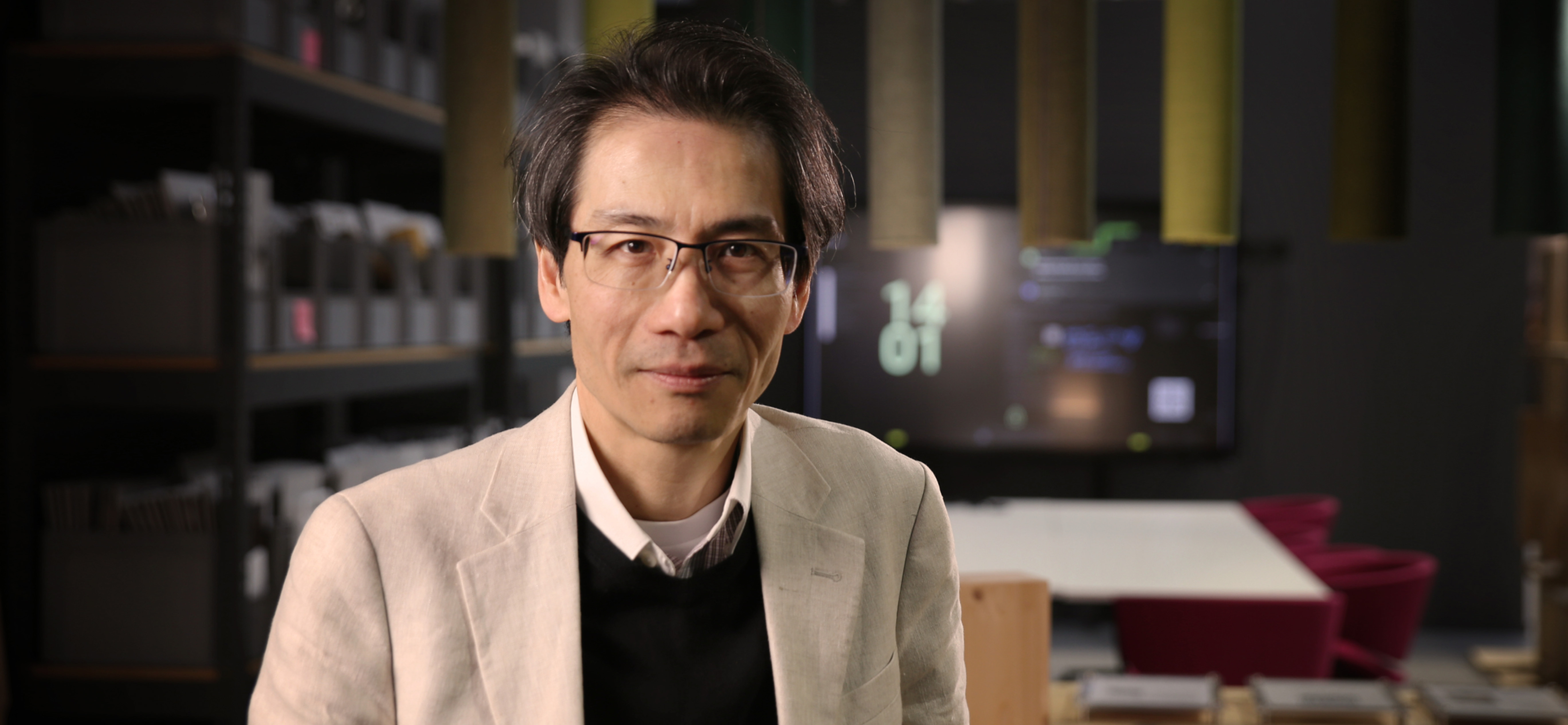
Virtual factory models make it possible to test different solutions systematically without having to change a real production system.
“Virtual factory models enable extensive and systematic experimentation that would be impossible or prohibitively costly to conduct in real systems.”
Automation with People in Mind
At Skandia Elevator, this approach has been used to investigate how automation can be designed with both production and the people working in the production environment in mind.
“The most important aspect for us in the learnings from the VF-KDO project is that we now know how to use data-driven analysis to make better decisions, both regarding efficiency and ergonomics,” says Jerry Olsson, Quality and Production Engineering Manager at Skandia Elevator.
The work was carried out together with ABB and the University of Skövde. One important part was to simulate both the production process and the operator’s interaction with the system.
“Here at Skandia Elevator, we've been working together with ABB, approaching an operator that has been working with heavy equipment,” says Magnus Holm, Senior Lecturer in Automation Engineering at the University of Skövde.

“We've been simulating both the ergonomic process and the production process at the same time, finding an optimal solution.”
Simulate and Optimise Decisions, then implement
For Skandia Elevator, the value lies not only in analysing an existing process, but in being able to virtually test and optimize decisions before a solution is implemented.
“So for us, it's important to build the process before in the simulating environment and then implement the correct solution that makes the perfect robot cell for us in the future,” says Olsson.
The collaboration has also broadened the way automation investments can be evaluated.
“VF-KDO has broadened our perspective on investments in automation products,” says Magnus Seger, Global Product Manager Simulation Software at ABB. “We have moved beyond only focusing on reducing the manual work to include other aspects like ergonomics and simplified process flows.”

The project illustrates one of the central ideas behind VF-KDO: combining research with real industrial challenges to find solutions that work not only in a virtual model, but in the factory as well.
“It's working together with real-world problems, trying to solve them, combining research and reality, I would say,” says Holm.
Comments